

- This event has passed.
Sharks of Washington
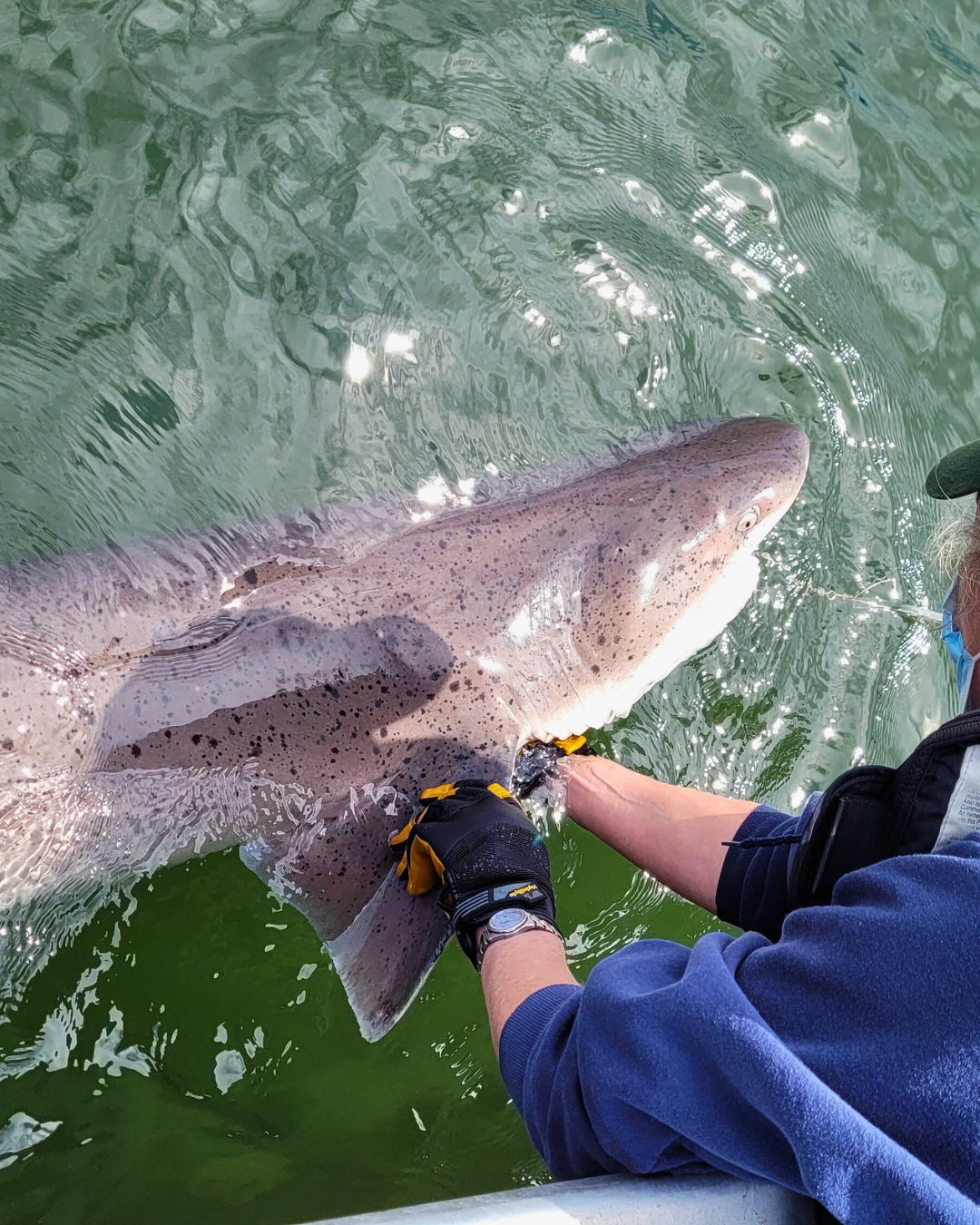
Washington’s coastal waters and the Salish Sea are home to an incredible diversity of shark species — from deep-dwelling sevengills to the graceful spiny dogfish that glide through our nearshore waters. These sharks are essential to healthy marine ecosystems, and new research is revealing even more about their lives beneath the surface.
Join us this winter for Sharks of Washington, the next session in CHB’s Voices for a Thriving Future lecture series. This community event brings local experts and residents together to explore the science, species, and environmental challenges shaping the health of Commencement Bay and South Sound waters.
Saturday, January 17 at 10:00 AM
Asia Pacific Cultural Center
4851 S Tacoma Way, Tacoma, WA
Free and open to the public — no RSVP required
CHB staff will kick off the program with a brief look at how water quality and pollution affect local shark species and why this work matters for their long-term survival. Then hear from our guest speaker, Lisa Hillier, about the shark populations inhabiting our waters and the Washington Department of Fish and Wildlife’s efforts to monitor and manage these species. In addition, she will present recent scientific findings on two species that have expanded their range into the deeper waters of South Puget Sound!
Come learn more about the predators that help keep our marine ecosystems healthy and thriving.
Meet Our Speaker
Lisa Hillier, Washington Department of Fish and Wildlife (WDFW)
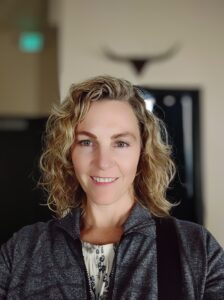
Lisa Hillier has served with the WDFW for more than 20 years, where she has played a key role in the management of groundfish, shellfish, and forage fish species. She represents Washington on the Coastal Pelagic Species Management Team within the Pacific Fishery Management Council process and also serves on the North Pacific Fishery Management Council’s Bering Sea and Gulf of Alaska Plan Teams. In addition to her management work, Lisa remains actively engaged in field research, conducting surveys through SCUBA, remotely operated vehicles, trawl, and hook-and-line methods. She is currently leading multiple shark research initiatives in collaboration with universities and management agencies across both the West and East coasts.